

There aren’t many areas getting attention like the 2026 Milwaukee housing market. Homeowners are getting mixed signals on everything from home prices to mortgage rates. This makes everything harder because you can’t make the right decisions without good information. Some homes are selling at lightning speed, while others linger much longer, even in strong neighborhoods.
What’s clear, however, is that buyers are being a lot pickier in their selection. First-time buyers are watching interest rates, and investors are running much tighter margins. Move-in-ready homes are definitely getting a ton of attention. If you’ve been thinking about entering the 2026 Milwaukee housing market as a seller, we’ve got the information you need to make smarter decisions. Come along as we break down the factors shaping the new year’s market and what that means for sellers.
The “Refuge Market” Effect: Why Milwaukee is Outperforming the Nation
Milwaukee has forged a reputation as an incredibly steady market during periods where other markets feel shaky or unpredictable. When you compare Milwaukee to coastal cities, home values feel much more approachable for first-time buyers as well as long-time residents. That balance of affordability and retention is a tremendous support for a consistent level of buyer demand, even when the national stage seems wildly uncertain.
Variety is another major component of the Milwaukee recipe for housing market success. Milwaukee has a little bit of everything, from luxury downtown condos to single-family starter homes. This helps spread out different types of buyer demand, so no one type of housing is wiped out in a buyer rush. Owner-occupied housing is the main priority for most locals, while real estate investors keep an eye on the rental market for predictable revenue. This is another insulator against large market movements.
Finally, like with all real estate, location is a big driver. There will always be shifting focuses on various neighborhoods based on commute, schools, or long-term plans, instead of simply trending areas. For homeowners, that could mean opportunity, but only when expectations are tempered to align with active market dynamics.
Is Milwaukee a Buyer’s or Seller’s Market in 2026?
While we’d love to be able to tell you that you’ll have no problem selling this year, we also need to be truthful. The market conditions you’ll face will depend heavily on the specific home and its pricing strategy. Milwaukee isn’t a market where every listing sparks a bidding war just because it’s a listing in the city.
Buyers are being more selective about home condition and layout, and long-term costs they’ll inherit, like HOA fees, are being weighted more heavily. Homes that are overpriced or saddle the owner with homeowners’ association dues are going to sit longer, because that’s not what buyers are after.
The listings are a huge factor now, too. With more buyers using mobile devices, sellers need listings with screen appeal and smart pricing. Sellers basing their listing prices on comps that sold months ago are doing themselves a disservice. Sellers blending in with the current market value will drive stronger interest and buyer engagement. Avoiding other common mistakes helps sellers stay competitive and reduces frustration.
The “Move-In Ready” Divide: Why Fixer-Uppers Are Failing
We’ve mentioned a few times that buyers are being more selective, even picky, about their homes. This is due to a higher degree of caution being exercised during the homebuying process. With higher interest rates and tighter lending standards, many buyers don’t have room in their budget for major repairs after closing. Higher mortgage rates make it more expensive to borrow. This has led to a very clear gulf in the local housing market. Some homes feel move-in ready, and the fixer-uppers. The former draws buyer interest, but the latter tends to struggle more on the market.
The uncertainty behind potential repairs is another point of contention for prospective buyers. If there are repairs that the seller isn’t handling before the sale, that puts it on the buyer afterwards. They may not want to worry about having to coordinate with a contractor for a project. Material prices are changing all the time, and labor availability is laughable in some areas. On top of all that, there are the deeper long-term concerns about credit scores, debt-to-income ratios, and the cost of private mortgage insurance. So many buyers just walk away when they feel even the slightest risk.
Sell Your Fast And For Cash In Milwaukee, WI!
We buy houses for cash and as-is and at the best price in the market.
Just fill out the form below or give us a call at: (414) 488-0082 to get your free, no-obligation cash offer!
3 Common Deal-Killers for Older Milwaukee Homes
Milwaukee’s housing stock has character, but older homes come with issues that can stall deals fast. Buyers today are cautious, and certain red flags tend to stop negotiations before they ever really start.
1. The “Knob & Tube” Wiring Issue (Insurance Rejections)
Older electrical systems are a major concern for buyers and insurers. Lenders will usually require the electrical system be updated to meet current code before issuing a loan. Likewise, insurance carriers may not cover a home with an outdated and potentially hazardous electrical system.
2. Foundation Issues (The “Milwaukee Basement” Blues)
Milwaukee is right on Lake Michigan, and so we’re no strangers to moisture. This means older homes may have evidence of foundation movement and uneven basements or moisture intrusion. Many buyers will see this as a long-term liability for moisture and mold. In areas with higher inventory levels of aging homes, like strangers, issues like these lead to price drops and stalled-out negotiations. Neighborhoods with new construction will see fewer days on market and will be the primary target for the average first-time homebuyer.
3. Lead Paint & Pipes (Pre-1978 Compliance)
Our city has history, and that means older homes. Homes that were built before 1978 may face buyer uncertainty for things like lead paint, lead pipes, or even asbestos. While these risks are manageable, buyers see compliance and renovation headaches. This can scare them off or weigh heavily during negotiations.
Will Home Prices Drop in Milwaukee in 2026?
Let’s face it, there are few bigger questions on the mind of someone entering the market. Will home prices drop in Milwaukee in 2026? Probably in some areas, sure. There are plenty of more rural areas on the outskirts of the city that are likely to see a shrink in demand, resulting in price reductions. But overall, it’d be more fitting to think of the New Year’s market as selective rather than delicate.
Instead of broad drops, the market is more than likely going to separate a bit. Well-kept homes in desirable areas continue to attract attention, while properties that need work or feel overpriced face more resistance. That’s pushing some sellers to adjust expectations or rethink timing. Suburban areas like New Berlin may follow slightly different patterns, but the same theme applies.
Buyers want value that feels justified and is based on home appreciation. They don’t want speculation, and they don’t want exploitation. For sellers, this means the pricing strategy should be aligned with the median home price in the area. Stray too far from the median sale price, and everything else falls apart.
Landlord Alert: Rising Taxes vs. Rent Control Fears
Landlords across the city are facing pressure from more than one source. Property taxes are always a major concern for residents. Particularly for owners of older rental properties, where operational expenses grow faster than rent. Even without formal rent control, there’s plenty of uncertainty in the decision-making. Owners might delay investment in upgrades. Some may avoid taking on new tenants when things feel too tight, because something else might come up.
Vacancies, maintenance costs, changes in the market, it all comes with added stress. In extreme cases, that financial strain can snowball into more difficult situations. This can push sellers into exploring how to sell while filing for bankruptcy. When ownership has become more of a burden than an investment, selling can be a practical exit and reset.
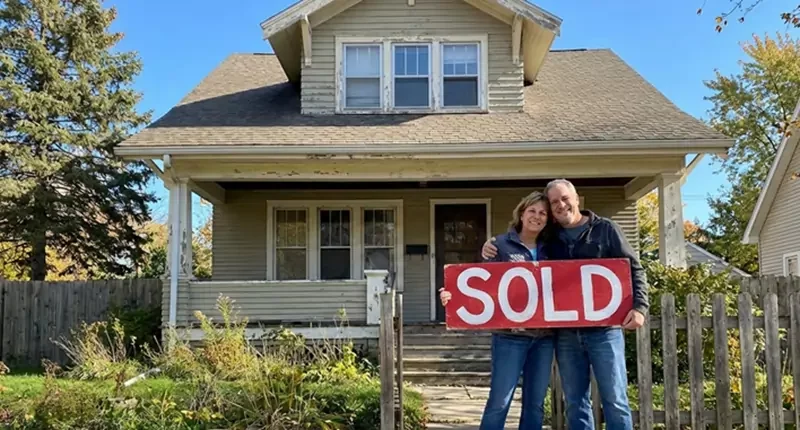
How to Bypass the “Picky Buyer” and Sell As-Is
For many Milwaukee Cnty homeowners, the biggest challenge isn’t finding buyers, it’s meeting their expectations. Today’s buyers often rely on financing that comes with strict condition requirements. That means inspections, repair requests, and delays tied to loan approvals. Even small issues can turn into deal breakers when buyers are already stretched thin.
Selling as-is offers a different path. Instead of worrying about photos for home listings, repairs, or how your home stacks up against new construction, you focus on the property’s current condition and market reality. This approach removes much of the guesswork tied to conventional options and avoids stress around mortgage calculators, refinance conversations, or loan structures that change mid-deal.
For owners who value certainty, speed, and simplicity, bypassing picky buyers can be a relief. It’s often less about squeezing every dollar out of the sale and more about avoiding months of uncertainty, showings, and second-guessing in a market that rewards caution.
Conclusion
The Milwaukee housing market is active, but far from forgiving, as we move into 2026. Buyers will continue to be more selective than in other markets, because while affordable, costs matter. Homes that don’t fit the mold can face substantial listing struggles and long periods on the market. That doesn’t mean you’re out of options, though, and a cash buyer could be your golden ticket. If you’re ready for a simple, fair, and fast cash sale for your Milwaukee home, Cream City Home Buyers is here to help. Cut uncertainty and lender delays with a local real estate investor.
